
The History of Woodstock Manor
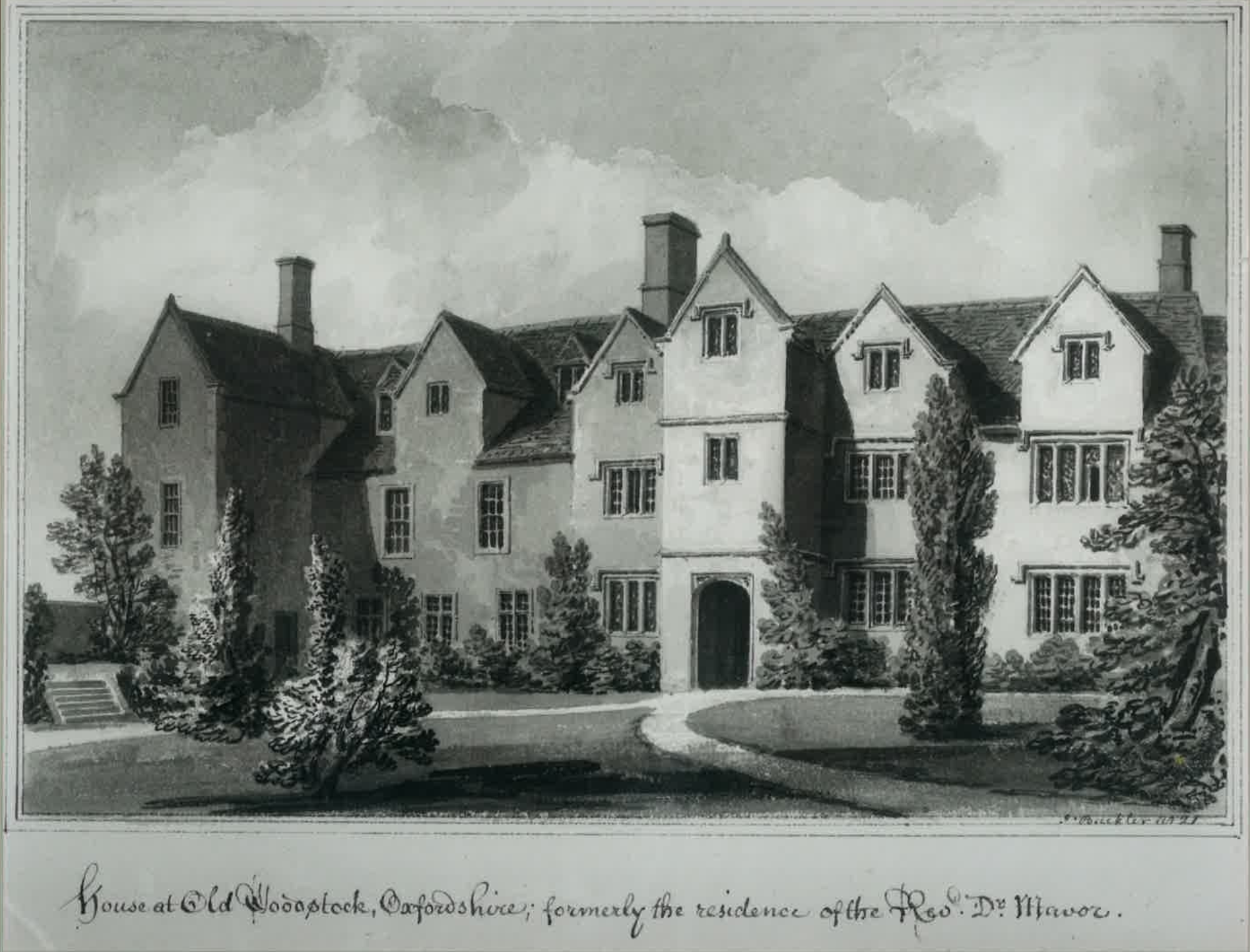
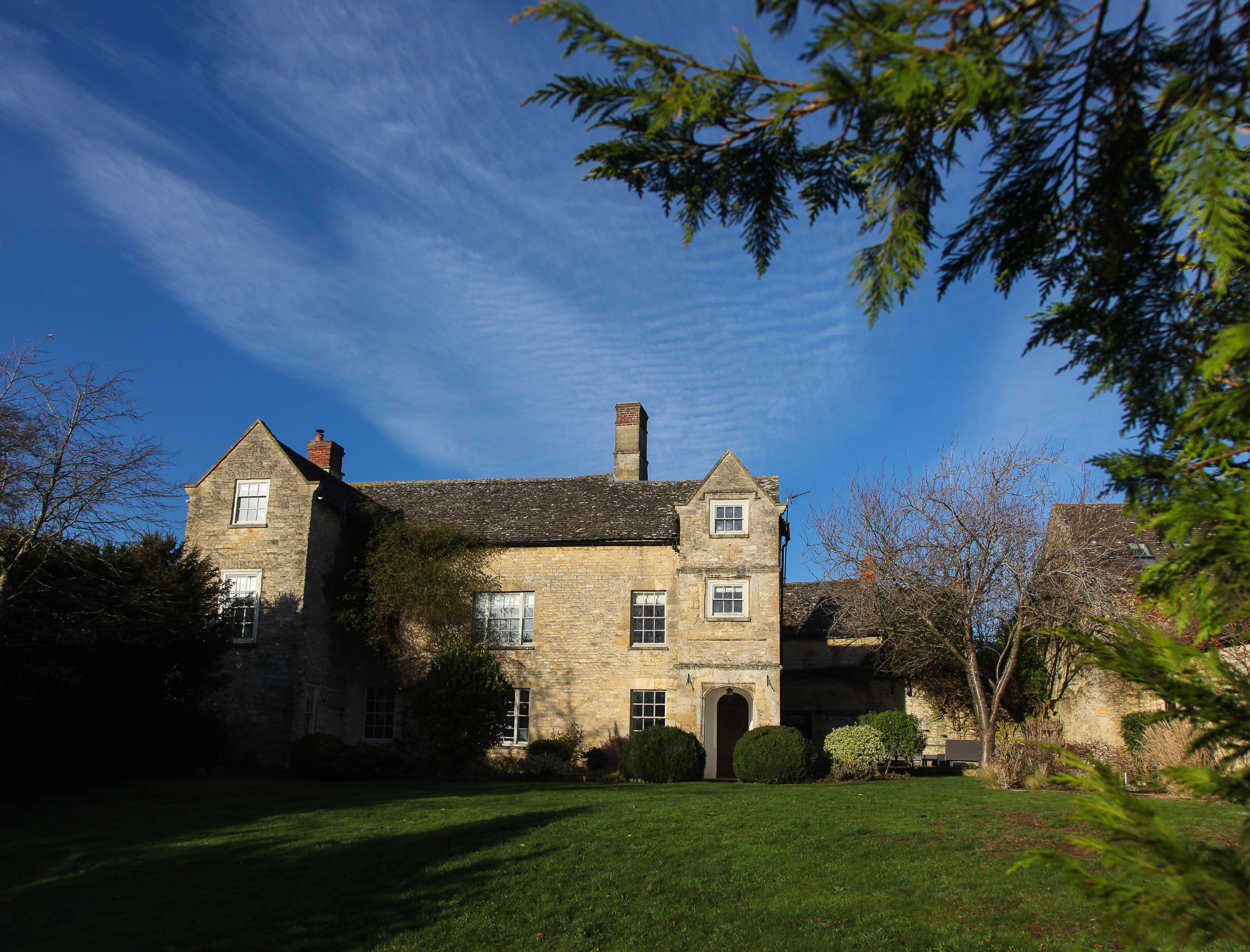
Woodstock Manor is one of our most unique properties because of its history and significance. Much of its history remains unknown and often the house leaves us with more questions than answers! The property is believed to have been built 700 years ago dating back to the 13th century. It was commissioned by the Knight Henry Praunce aptly named “Praunce’s Place”.
Much of its significance is associated with Edward of Woodstock, better known as the Black Prince, who was believed to have been born in the property. The Black Prince was a 14th-century royal and the eldest son of King Edward III of England, and father to King Richard II. He dies before his father so the lineage went to his son, Richard II. He was a military leader, and famed for his role in the Hundred Years’ War with the reputation as one of England’s most formidable medieval warriors.
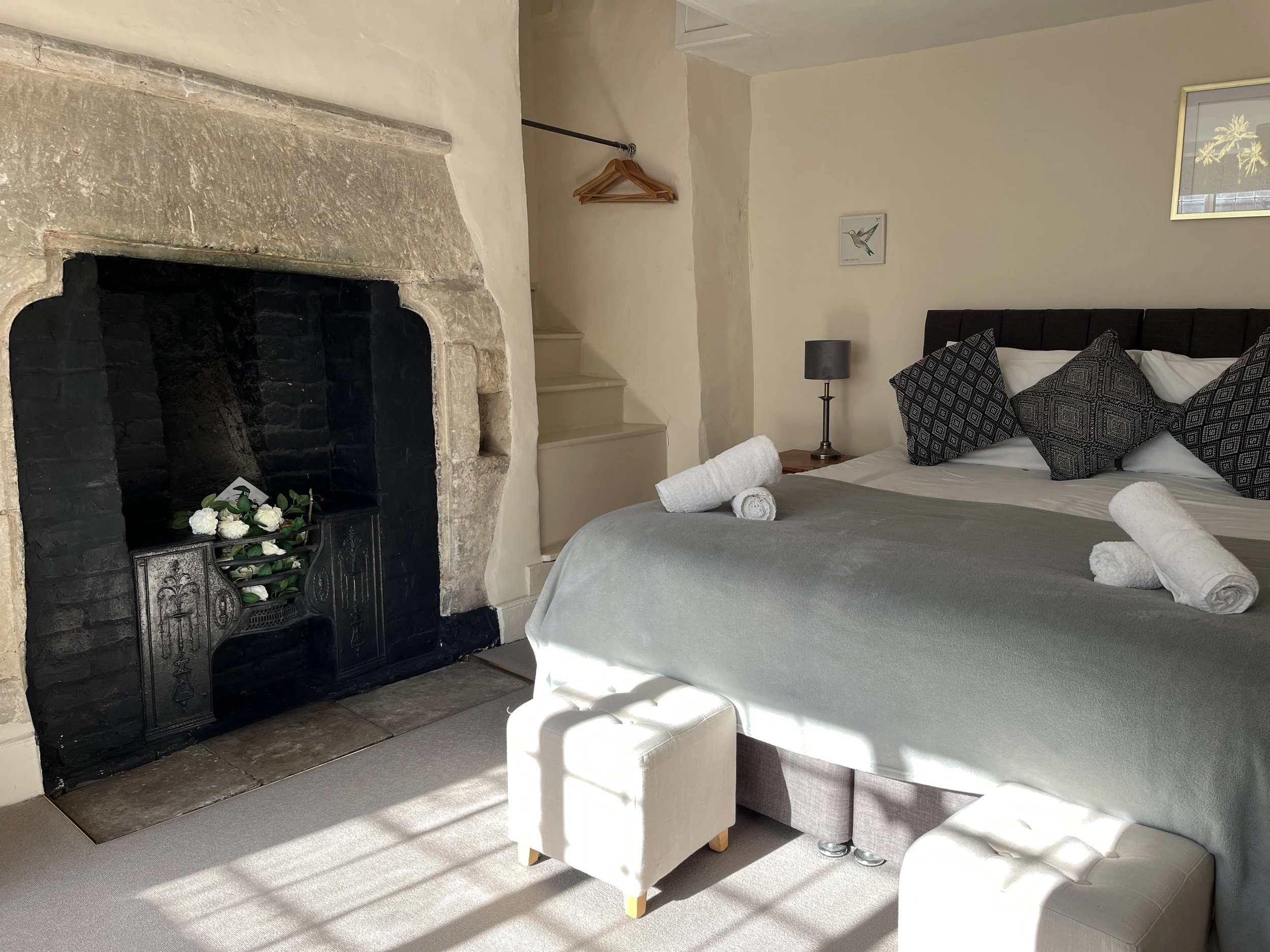
The Black Prince Room
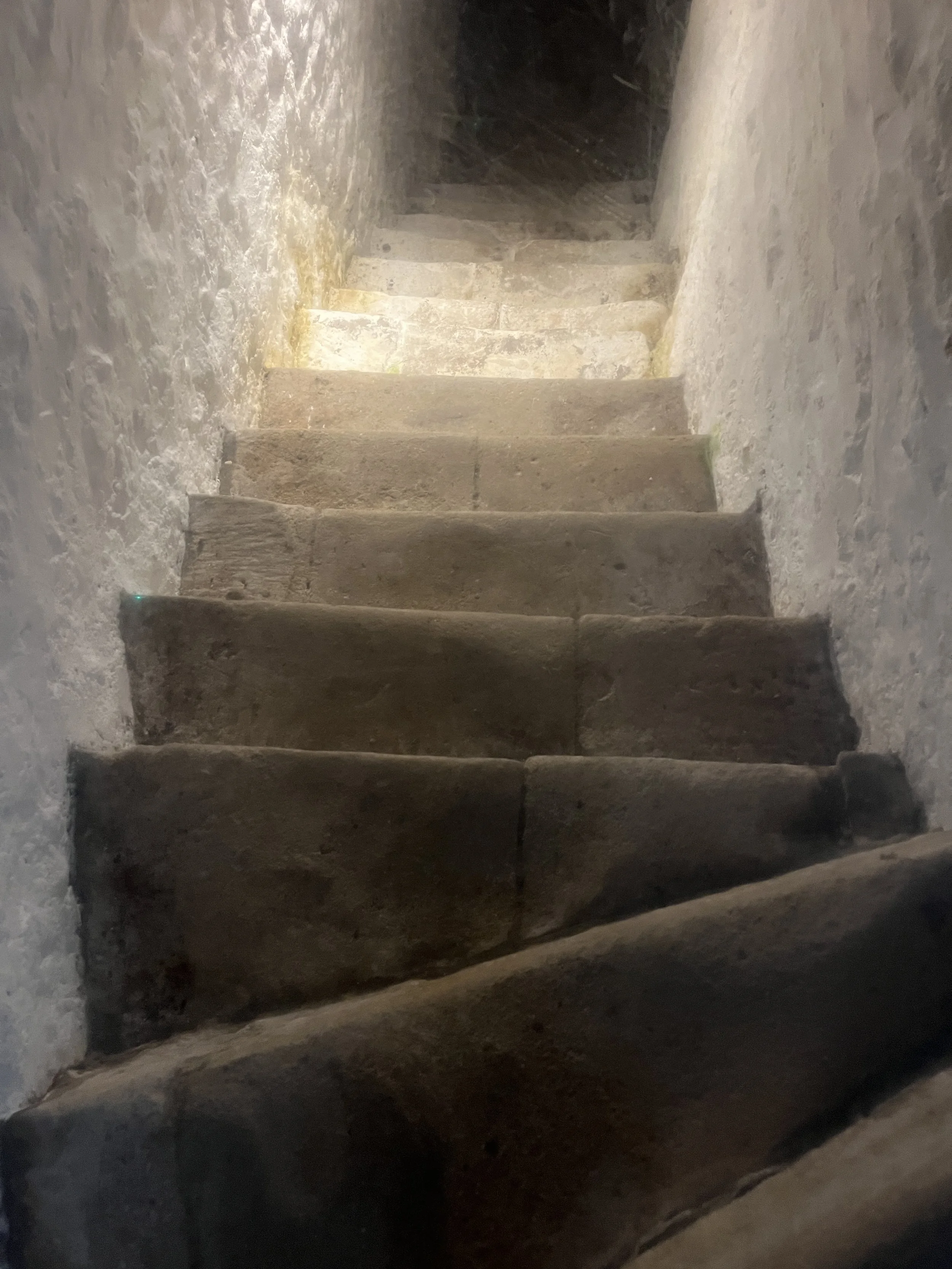
Bedroom 4 of the house, what we call the Black Prince Room, is on the first floor of the property and is named as such because it is believed to be the birthplace of the Black Prince himself. We always find this room fascinating because of the “staircase to nowhere” tucked inside the room. Our guess is that it may have linked to another part of the original building which was destroyed in a fire in the 19th century which wiped out the eastern side of the building.
Through the Centuries:
In 1412, the property was sold to Thomas Snarestone, who expanded it into a substantial estate by establishing several freeholds. The house grew large enough to be divided into east and west tenements.
By 1522, both parts had been acquired by Balliol College, Oxford, which retained ownership for centuries. Over time, the estate expanded further, and by the end of the 17th century, it included a working farm of 244 acres.
During this period, it was mainly used as a rural bolthole especially during the plague or times of political unrest; particularly as Oxford was seen as a place of retreat from London during outbreaks of plague. Later this became the Royalist capital during the English Civil War. Furthermore, Woodstock is eight miles from Oxford, far enough in the early 17th century to offer refuge from urban threats of the time.
From around 1770 until the late 19th century, the house was again divided. The northern buildings were used as a farmhouse for Balliol College, while the southern range was leased to tenants.
Among them was William Mavor, who ran a boarding school at the property until the early 19th century. Later, as Woodstock became known for glove-making, parts of the estate were repurposed as workshops which continued in the area until the mid-20th century.
By the late 19th century, the estate had become known as Manor Farm. Around this time, a fire destroyed the eastern portion of the house which shaped the building we see today.
In 1922, Balliol College sold the estate, marking the end of its long association with the property.
Today:
Today, Woodstock Manor is a spacious holiday cottage townhouse, sleeping up to 18 guests. Set across three floors, the property offers two comfortable living spaces, a fully equipped kitchen, a large garden overlooking Woodstock, and seven beautifully appointed bedrooms. Ideally located, the house is just a five-minute walk from the town centre and the stunning grounds of Blenheim Palace on the doorstep, making it an excellent base for exploring one of Oxfordshire’s most picturesque areas. Woodstock also serves as a fantastic gateway to the wider region, with easy access to Oxford and The Cotswolds.
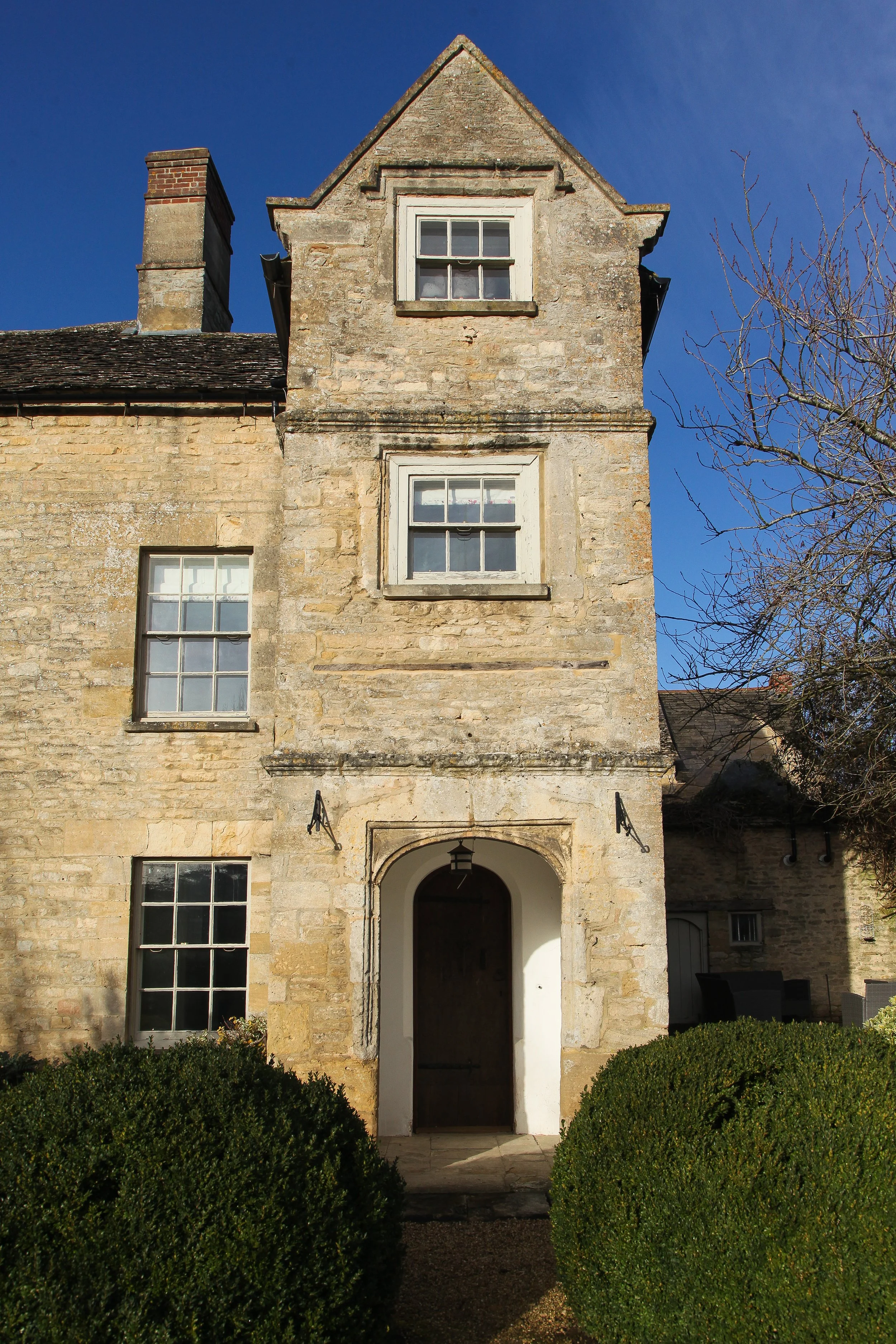
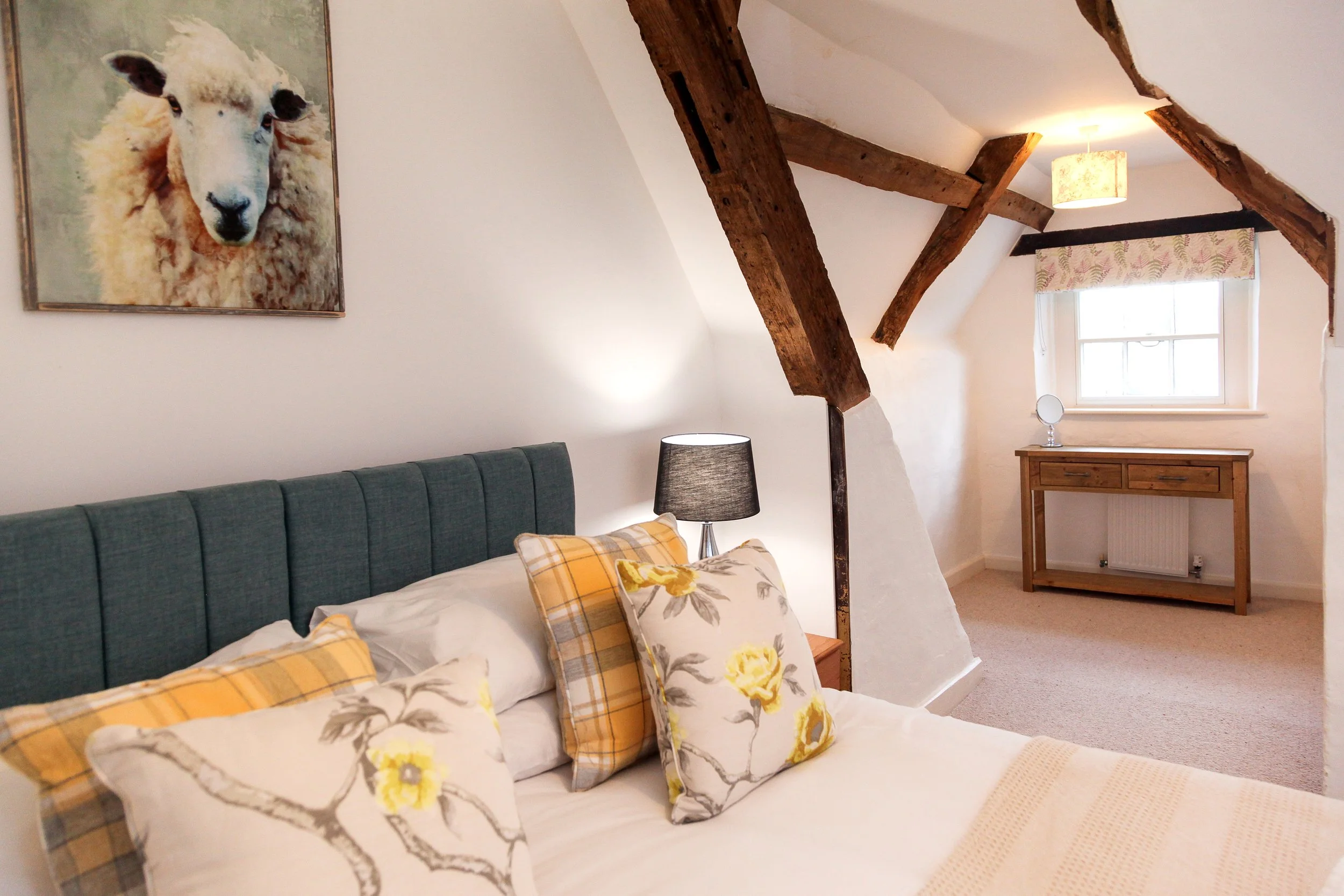
Despite centuries of change, Woodstock Manor retains a remarkable number of original features.
From the outside, you can see the turret extend out from the house which has a moulded stone doorway, complete with a basket arch and studded wooden door, remains a striking architectural detail. Inside the turret, there are two small rooms, which we have made into dressing rooms.
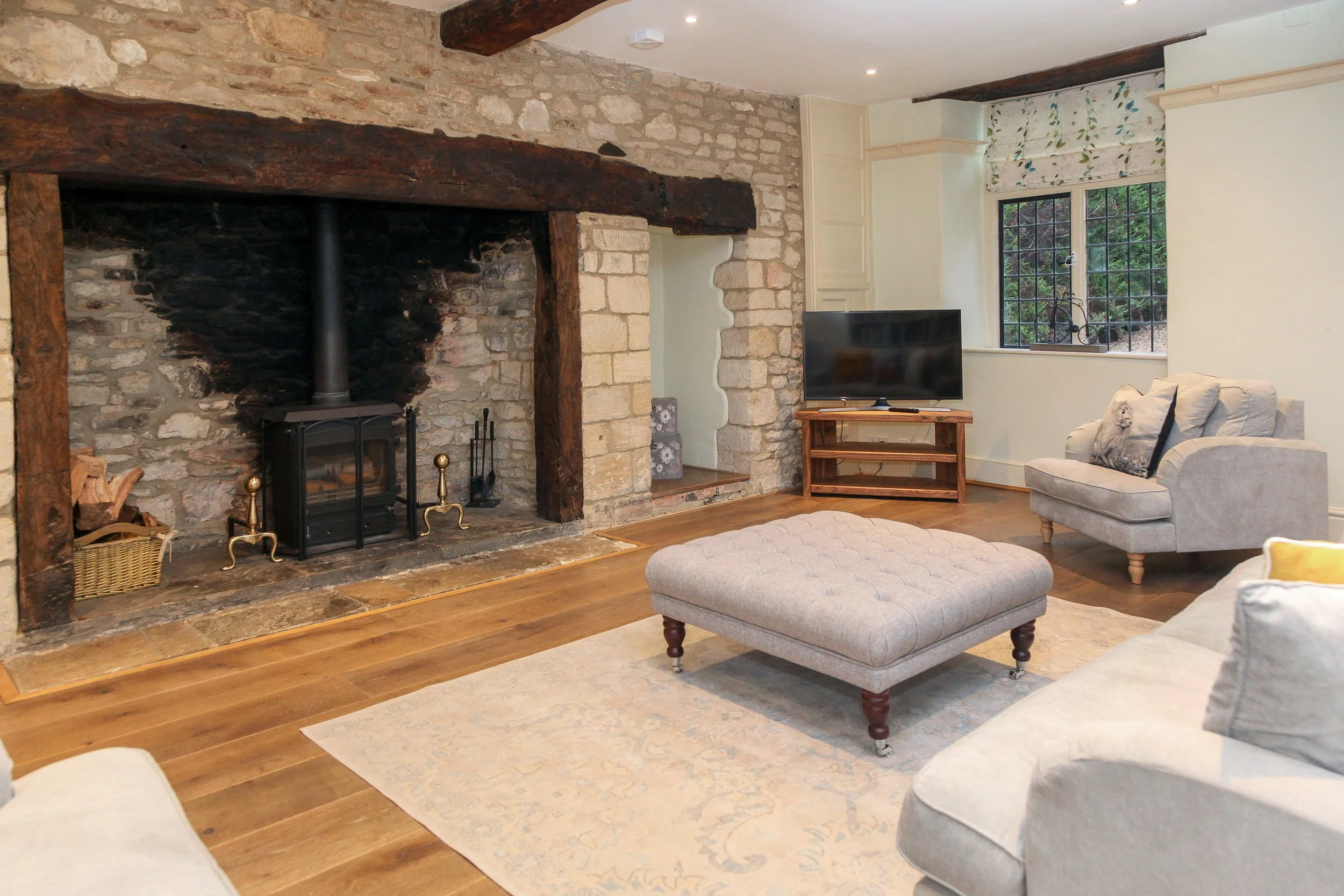
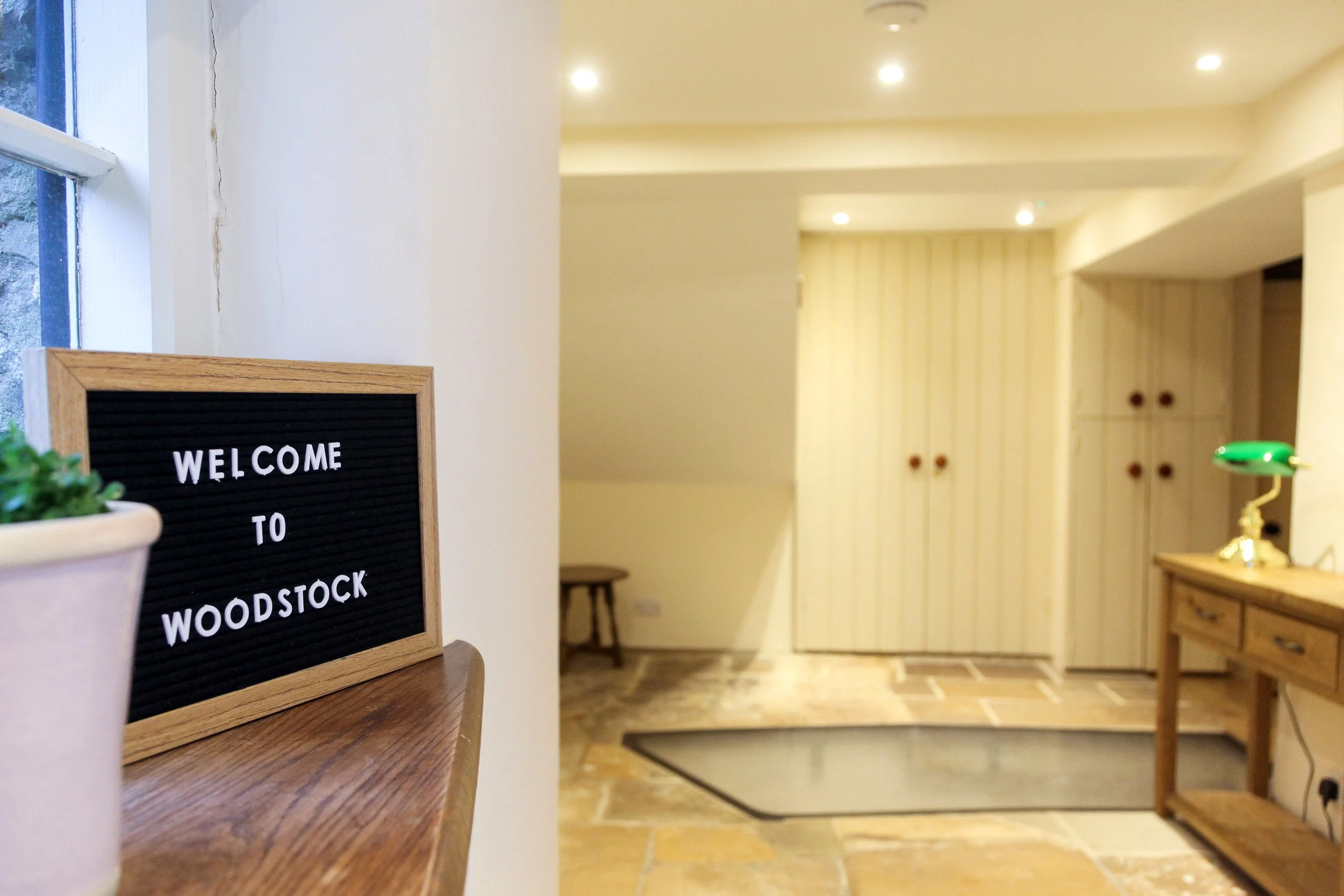
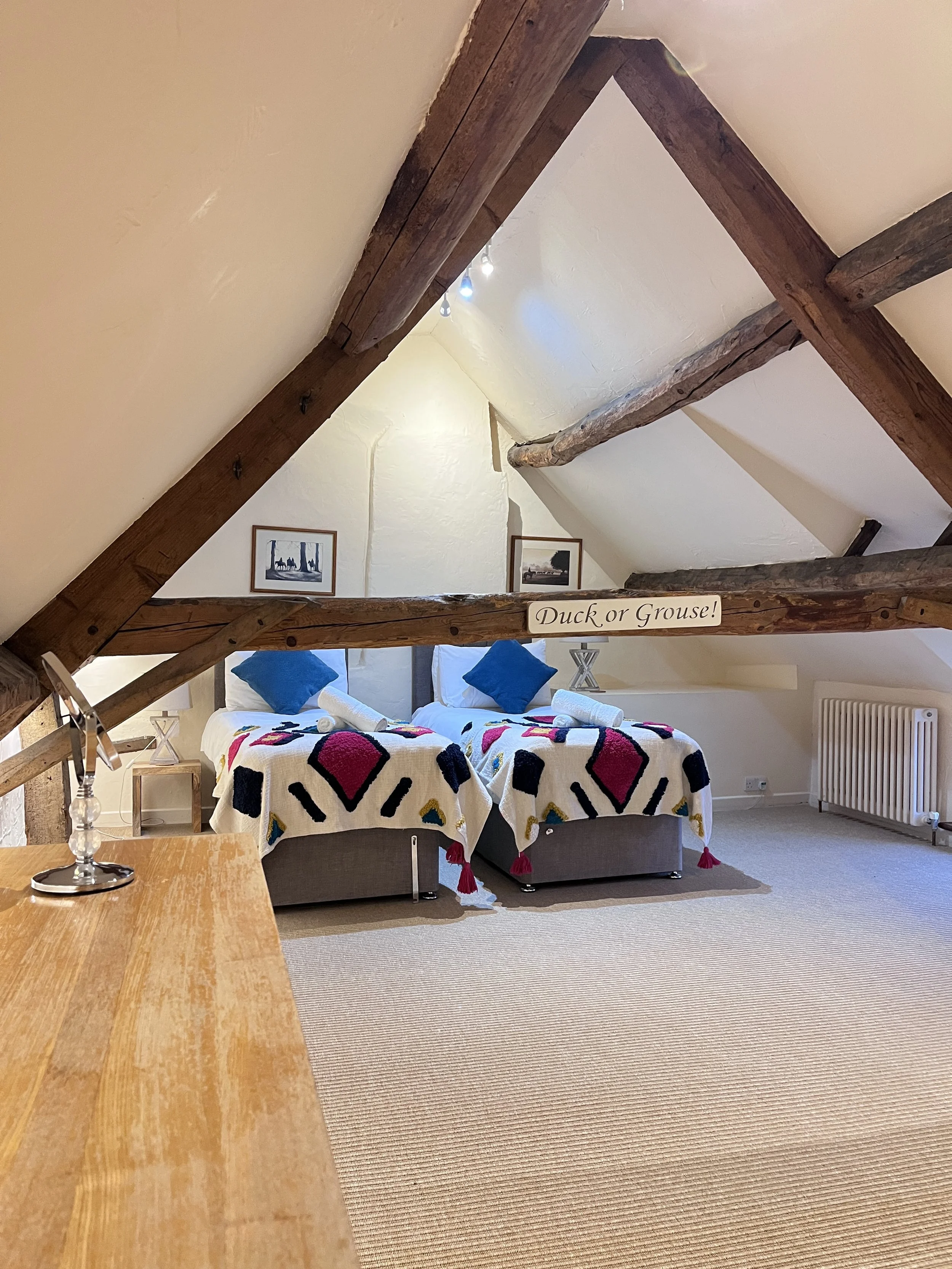
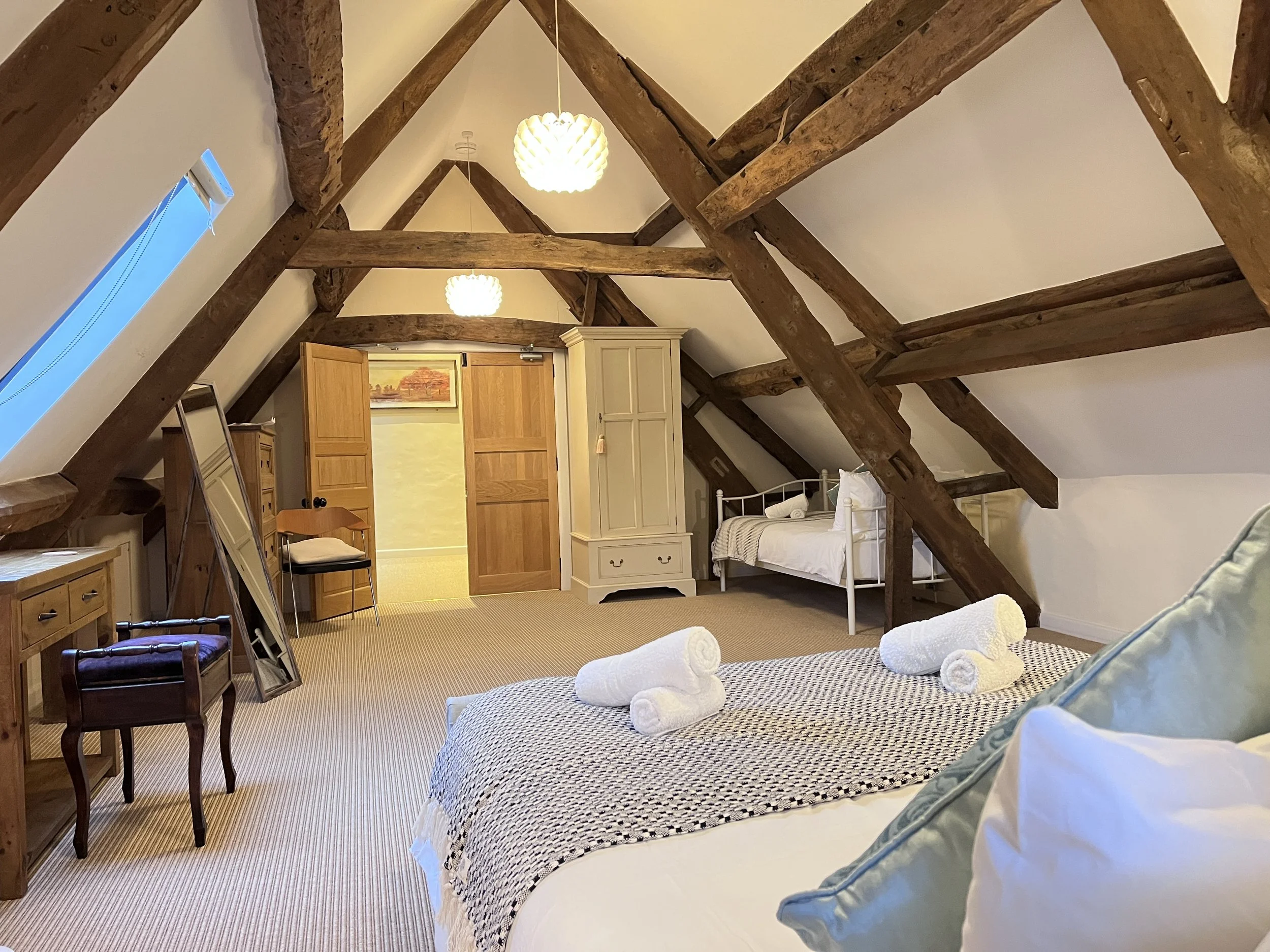
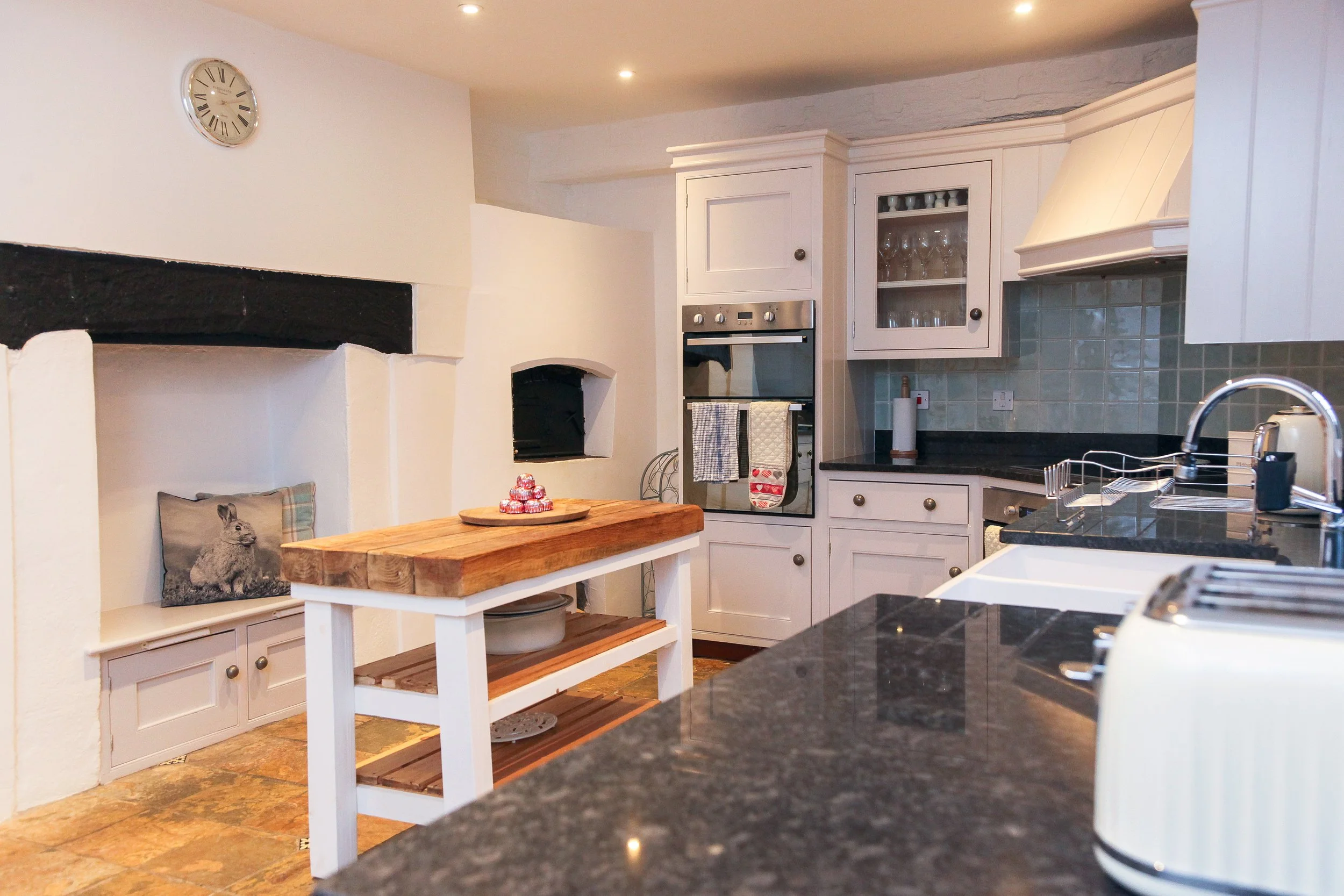
Inside, elements of the original 13th-century structure still survive. Ashlar stonework and a shouldered lintel in the kitchen are believed to have formed part of the domestic chamber of the first Manor Hall. One of the previous owners even found some old ice skates which were believed to have been used on the Blenheim Palace lake when it was frozen a long time ago. Other historical elements include the stone flooring, a cellar visible through a glass floor panel, and high vaulted ceilings with exposed wooden beams. A large inglenook fireplace with a flagstone hearth forms a striking focal point, while additional fascinating fireplaces can be found in several of the bedrooms.
Book your stay at Woodstock Manor
Woodstock Manor is a truly fascinating property! If you’re looking for somewhere truly special for your next getaway, Woodstock Manor is available to book, so get in touch if you’re looking to stay somehwere truly unique!